An Ethical Travel Primer
The concept of sustainable travel is not new, but it has rapidly become a trending topic.
Just about every travel company will have the words “sustainable travel” somewhere in their about section. Including us.
This was not true even just 3 years ago.
This is a direct reflection of the consumer’s desire to support sustainability initiatives in travel which is absolutely wonderful.
And proof positive, of how your wallet can change things for the better.
However, if you have the privilege to travel, and sustainable travel is important to you,
it’s always good policy to peel back those trending keywords and see what is actually under the hood of any tour group you are considering joining.
If you are traveling true solo, then let’s get excited about learning to think holistically and be willing to research all aspects of your adventure thoroughly.

Photo: Lumen Rutowski
The concept of sustainable travel is deep and nuanced and one that I am truly passionate about.
I am genuinely excited to dig into this topic with you because I believe our travel practices have deep and long-lasting effects
not only on the communities we visit
but also on the interconnected health and vitality of our socio and environmental global community as well.
Let’s begin with a definition.
Just kidding, there really isn’t a clear one.
“Sustainability” is something of a muddy concept and you will find a wide variety of definitions within the travel industry. Some will also speak of ethics, some will not.
When I speak of sustainable travel I am explicitly invoking ethical travel, as I believe these two concepts are intertwined to such a degree that you can not speak of one without speaking of the other.
Sustainability and its most surface and common usage
is speaking strictly about environmental sustainability.
Which, to be sure, is extremely important.
But I believe that sustainability covers a vast intersection of ethics including community engagement,
environmental preservation and cultivation,
cultural respect,
and the understanding that local populations should
have a voice in
and benefit directly from
the tourism industry that profits directly off of their natural resources, their physical labor, and their acquired and ancestral knowledge.

Photo: Pamela Huber
In its simplest form, sustainable travel could be described as a “do no harm” policy that should apply to the land, its animals, its biodiversity, and overall ecological health including the protection of natural resources like water and forests.
But most importantly, sustainable and ethical travel applies to how we impact the people living in any given tourist destination, especially its marginalized people, which in most cases are doing the actual work and also suffering the greatest harm in places practicing irresponsible and unethical tourism.
The following sustainable contact points are a reflection of Avalon’s overall travel philosophy.
You will develop your own travel philosophy as you go, and I believe firmly in changing opinions based on new information. After all the world is nothing, if not ever-changing.
So let fluidity and new experiences be your guide, and be open to change and new ways of thinking. And always seek improvement. We certainly are. As we grow as a business, so too will our sustainability initiatives.
Each contact point is followed by actionable steps.
Every business will talk about sustainability, it’s a very flowery word, but it can be hollow.
It is literally just a word, if not followed by actionable steps which result in measurable outcomes.
When we assess our ethical sustainability we analyze every action we take for a trip.
Starting with the flight, then accommodations, then food sources, water sources, day tours in cities and day tours in natural landscapes, where we spend our money, at what shops, at what restaurants, and what goods we purchase.
All of these contact points are encapsulated by a foundational “do no harm” and “be a good guest” framework.

Photo: Aziz Acharki
Contact Point 1
Ourselves
Our personal outlook will drive every action we take and every interaction we have.
We are a guest in someone’s home.
They have invited us in to share in their beauty and their culture and their arts and their lives.
Truly. This is the root of all of it.
Action
We should acknowledge and be grateful for the extraordinary privilege afforded to us that we are able to travel the world.
Action
As a guest, we should be respectful at all times. This one seems obvious, but I assure you, it is not to a great great many travelers I have witnessed with my own eyes.
Action
As a guest, we should do our best to learn the basic please and thank yous in the local language.
Action
We should be excited to try new foods and drinks.
Do not be that guy looking for a burger joint in Marrakech. It’s embarrassing and insulting to your hosts who are genuinely very excited and proud to show you their local cuisine and hope very much that you will love it as they do.
And why else do we travel, if not to experience a whole world of new things.
Don’t deny yourself the full experience by clinging to the comforts of home. You are not at home, you are in an extraordinary and sometimes extremely different environment. Embrace all the new experiences, good and maybe not so good.
Full disclosure, I have still not been able to bring myself to try the fermented (rotten) shark fin in Iceland.
Action
Keep your compassion and curiosity close.
And your acceptance even closer.
Some cultures will have norms that may seem uncomfortable to you, especially when focusing on women’s rights and animal rights.
It is important to recognize cultural moralities vary.
It is important to try to understand these differences. Ask some questions, gently and without rudeness. We don’t have to agree, but we should do our best to understand. We grow and evolve through personal interaction and expanded understanding.

Photo: Adil Diless
Contact Point 2
The Local People
AWT tours are imbued with a cultural consciousness.
We research the history, art, and contemporary politics of every region we visit,
with an emphasis on women’s history and their cultural contributions to our host country
We believe in keeping it hyper-local. You can not support the environment or its creatures without first supporting the people who are interwoven with those systems, financially and physically.
Action
We make effort to stay where the local people are. We do not want to be in an isolated westernized compound with little contact with the true culture of a destination.
Action
We engage with locals in a respectful way, as you would with any new friend. We get to know them and connect with them in personal and meaningful ways. This does not have to be some grand exchange, simple genuine conversations are wonderful ways to connect.
Action
Don’t do it
We discourage taking pictures of locals without their consent and payment. An Instagram feel-good photo op with local children is just pretty weird if you think about it. A good rule of thumb is, if you wouldn’t do it at home, don’t do it abroad.
Action
We tip. We tip like crazy. I worked in the restaurant industry for much of my life so this is a contributing factor for sure. However, tipping is also an amazing way to get cash into the hands of the local people. If we are to travel with our privilege, one of the best things we can do with that privilege, is help lift up the beautiful people in these beautiful places. Cash tips really can help lift families out of poverty.
A side note on Vulontourism: This is becoming more and more popular with people wanting to do good in the world. And unfortunately, as with a great many systems modeled on white saviorism, this often exacerbates the problem it is claiming to solve. The Last Tourist is a great documentary that covers this topic really well, and I highly recommend it for a more in-depth analysis of the dangers of volunteer tourism.

Photo: Ilana Grostern
Contact Point 3
Environmental Impact
Sustainable travel will take this into account at every level.
First is your flight, then your accommodation, then how heavily you are impacting natural resources
like water and natural landscapes,
then what you are purchasing and where that came from.
Overtourism has decimated once beautiful landscapes and communities, turning them into garbage-filled, trinket-selling, cash cows who are left to decay once the resources have been depleted or overused to the point of becoming grotesque. Think party towns in Thailand.
Action
AWT got its start as a hiking backpacking company so we have a deep reverence for leave no trace principles, and we utilize them in all outdoor aspects of our international tours as well.
We recommend everyone familiarize themselves with these principles if you are not already.
These are the core tenets of outdoor exploration and are equally valuable at home and abroad.
Your commercial flight will be the biggest carbon expense.
To this end, AWT is very proud to be an official partner of
One Tree Planted

Photo: One Tree Planted
Action
To compensate for our carbon impact we donate 5% of proceeds from every tour to One Tree Planted. The largest This wonderful organization was founded in VT (right next door to us!) and plants trees all over the globe. Read more about their multi-pronged approach to reforestation in tandem with building up local communities, and consider donating every time you travel too.
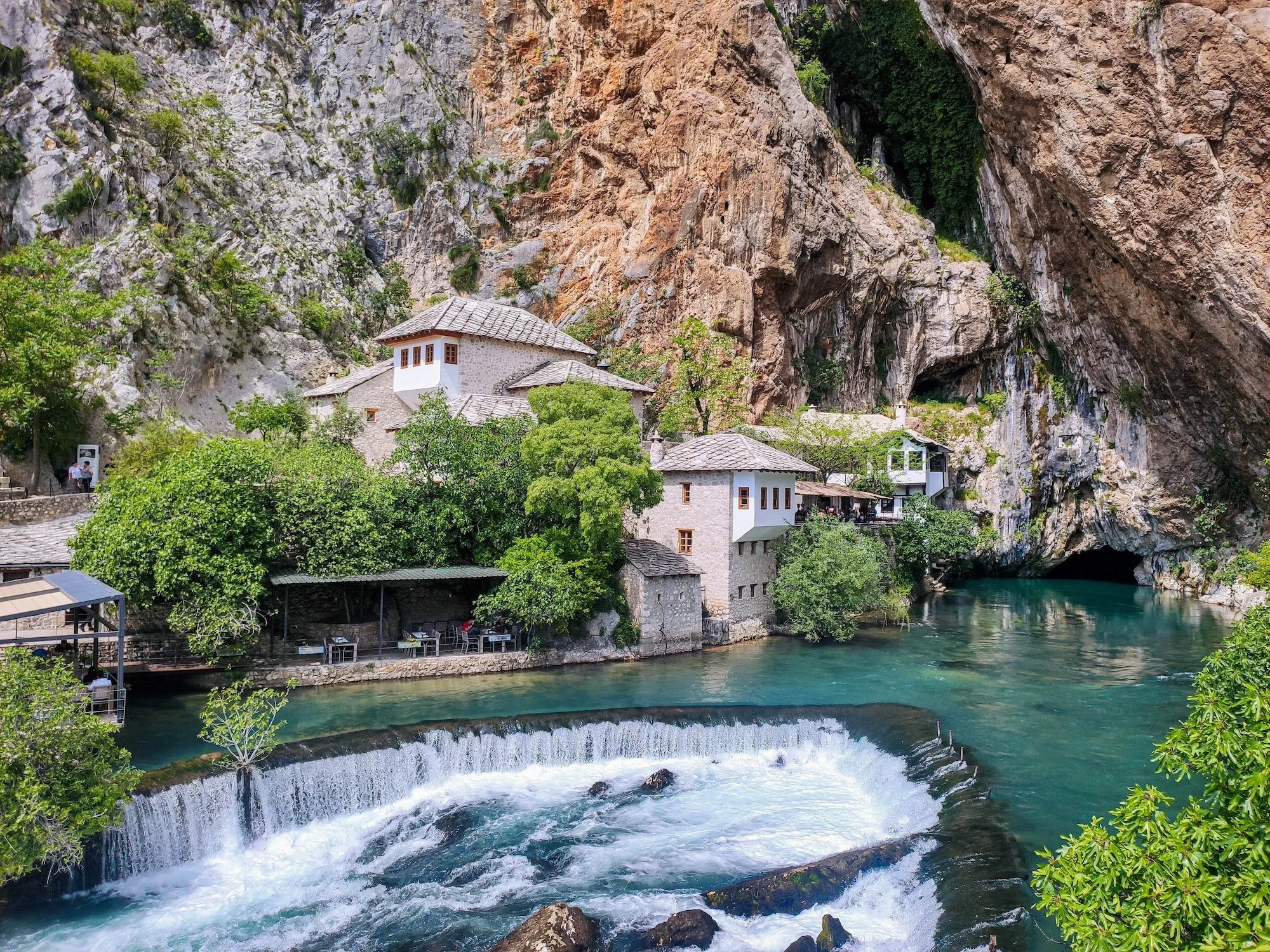
Photo: Mujo Hasanovic
Contact Point 4
Accommodations
The housing crisis is very real everywhere in the world right now.
Here in New Hampshire, our homeless population has doubled since 2020 and this is a direct result of an overinflated rental market driven by a lack of supply.
Action
Don’t do it
We do not use Airbnb, as we want to be careful not to destabilize local renters’ markets by taking smaller apartments that can and should be rented to locals.
Airbnb has absolutely decimated the affordable housing supply almost everywhere in the world.
The exception to this AirBNB rule, for solo or small family travelers, is the in-home stay option.
This option is a fantastic way to put money directly into the hands of a local family while learning and living within the community all while not taking viable housing away from local renters or first home owners.
*Occasionally we will rent huge villas that are not in danger of taking housing from the local working-class renting communities.
Action
Most often we stay in environmentally low-impact accommodations wherever possible, and balance this with the goal of staying in smaller locally family-owned bed and breakfasts.
Hotel Accommodations should list clearly on their website what actions they take to reduce their carbon footprint.
We never stay in western owned chain hotels. These encapsulated western-style experiences keep travelers from experiencing the cultural fullness of their destination. And they are massive multi-million dollar chains that consolidate profits overseas with very little going back into the community or into the worker’s hands. Locally owned hotels do a much better job of keeping money in their own communities.
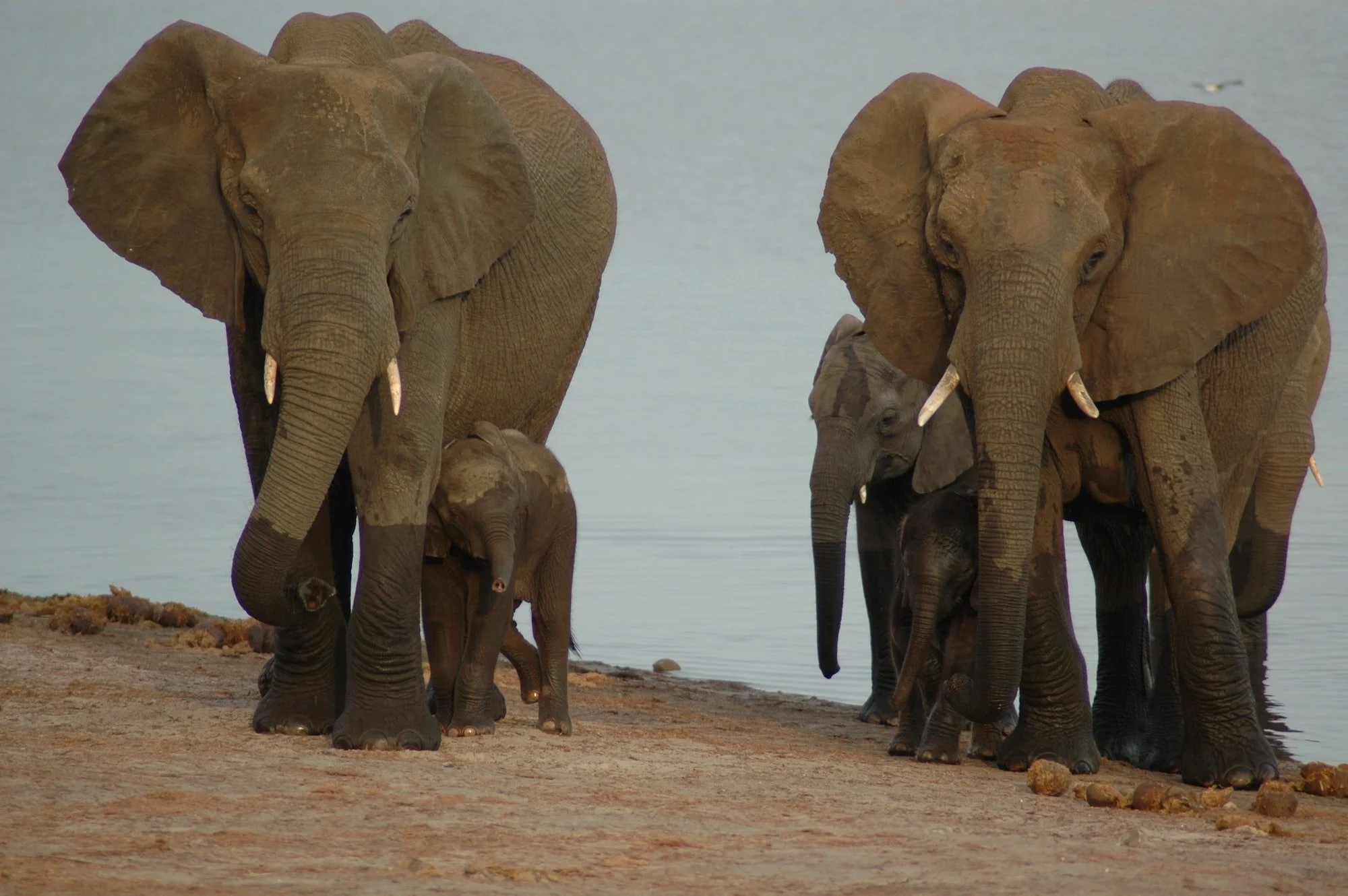
Photo: Danielle Barnes
Contact Point 5
Animals
Elephants in Thailand are a very good example of how tourism has shifted local commerce away from abusive practices. Most people now know that those elephant rides are objectively abusive to the animals. This has led to a rise in sanctuaries where people can see elephants rescued from abusive tourism situations and allowed to live out their lives in a healthier setting.
Action
Don’t do it
Giving money to have your picture taken with a monkey or tiger is also unethical travel. We know many/most of these animals have been poached from the wild.
Tigers especially are drugged their entire lives so tourists can have their pictures taken with them.
We now know that visiting a sanctuary is a better way to help these animals and the local people who are providing a safe existence for them.
A good rule of thumb, is that if it’s a wild animal, it should be left in the wild.
Action
Don’t do it
Swimming with dolphins is another formerly popular tour activity that we now know is incredibly unethical, as these animals are taken from the wild and forced into unnatural behaviors to accommodate tourists.
Possible future action
Camels are a bit trickier. We know they are often not treated well in Egypt. But in Morocco, these animals are domesticated and part of a long tradition of the nomadic Berbers. There is no evidence to suggest that riding them causes harm. Yet, if that changes, we will change in accordance with new information. But for now, AWT does do camel treks in the Sahara with Berber tribesmen.
SPANA is an org working in Morocco that serves as a monitoring agency to ensure the safe and ethical handling and care of Morocco’s working animals.
In my experience, I have seen only well-cared-for camels that are part of a centuries-long Berber tradition.
Paying these herders allows them to continue these ancestral practices.
So this is a situation where research goes a long way, and we will be adaptable if information arises that leads us to believe we need to alter course on this subject.
Action
SPANA also provides The Holiday Hooves Guide, which is a great resource for tips on identifying well-cared-for animals when traveling.
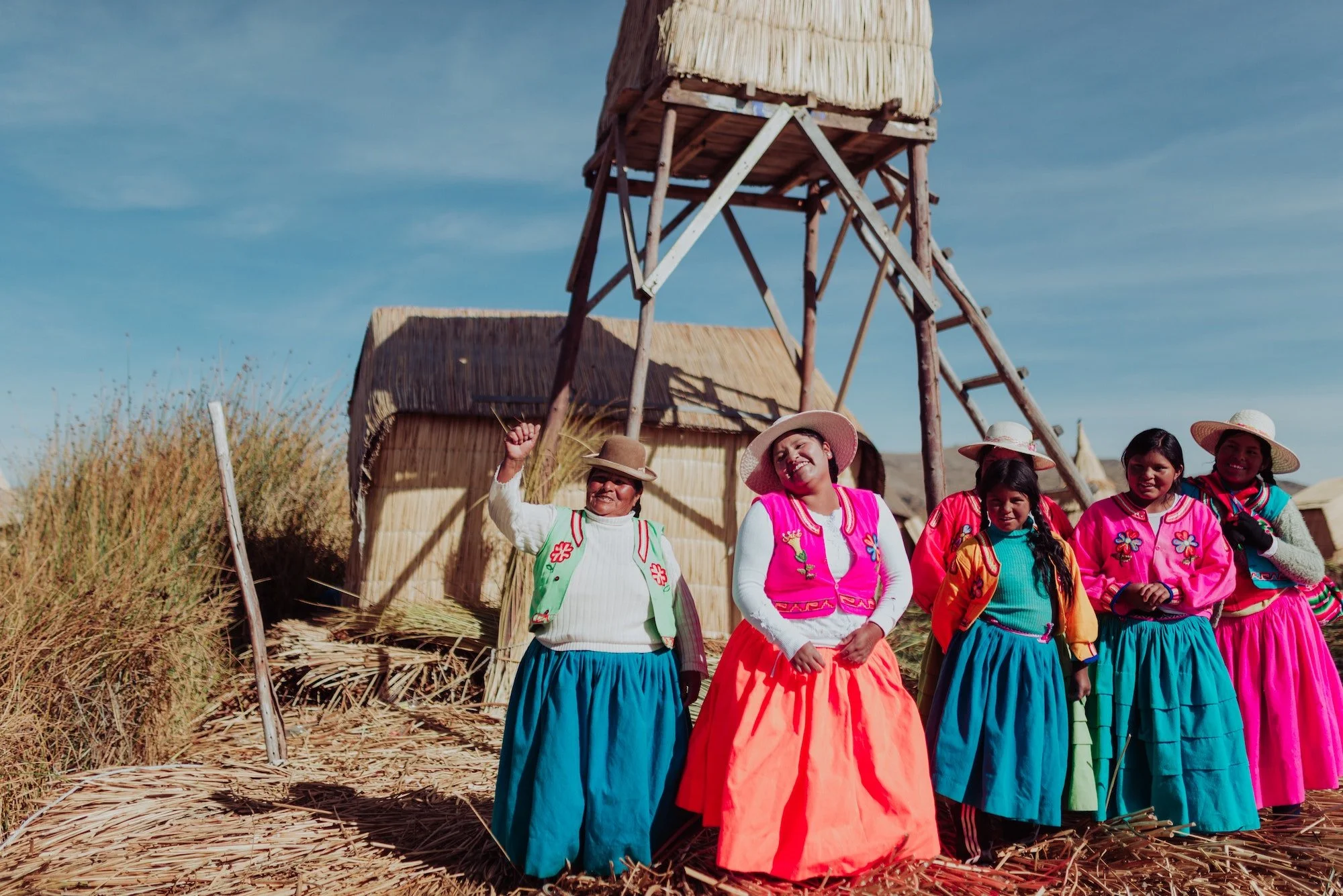
Photo: Persnickety Prints
Contact Point 6
Supporting Local Women
Supporting women is our whole jam and we build it into every aspect of our tours that we possibly can.
As a women-led and focused organization, we seek out the same in our international partners.
Action
When possible, we use local female guides and educators who are mindful of the ecological and humanitarian needs of their region.
Action
We seek out female-owned/operated suppliers, hotels, restaurants, and workshops.
Some countries have much fewer options than others. In places like Morocco, I ask our transportation supplier every time if they have a female driver, knowing full well this is very uncommon. But the more I ask, the more likely they will be to eventually find and train one.
Action
We Consume conscientiously.
Just like at home, how you choose to spend your money matters. In markets and stores, I always try and make purchases from women shopkeepers. And seek out woman-made goods.
Morocco and Peru are both great examples of countries that have strong female co-ops for traditional crafts.
Purchasing from these places not only puts money into the hands of women, who otherwise have limited opportunity for employment and therefore independence, but it also creates a pathway for these women to continue and keep alive these beautiful ancestral crafts. These ancient techniques are in danger of dying out without economic support from tourism.

Photo: Jessica Delp
In summary, the best thing you can do to develop your own sustainable travel philosophy is to research, research, research.
It’s a lot of ground to cover, but the payoff for you and for the communities you visit is priceless.
And if you made it to the end, thank you so much for reading this!
It is a topic that is close to my heart and one I hope to always be learning more about and expanding on.
If you have any great orgs that you love, who are working on the ground in any of our destinations, I would absolutely love to hear about them.
Please drop me a line with their link and your experience with them.
And click the link to see all of our tours
Thank you kindly all my little travel nerds!
-Jocelyn